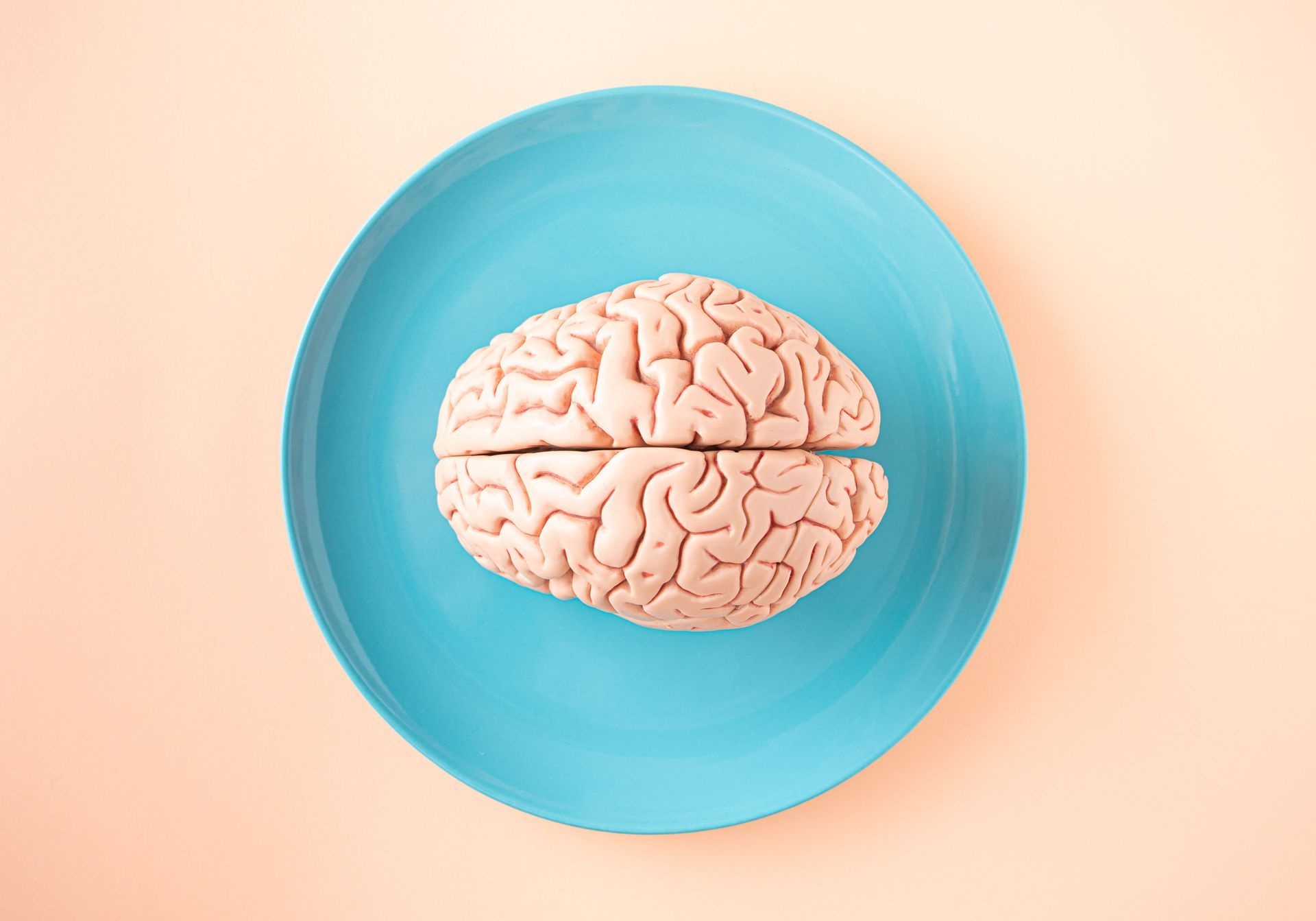
Dementia is not a specific disease. It is a descriptive term for a collection of symptoms that can be caused by several disorders that affect the brain. People with dementia have significantly impaired intellectual functioning that interferes with normal activities and relationships.
Dementia is an umbrella term used to describe a range of neurological conditions affecting the brain that worsens over time.
1. Alzheimer’s disease is a brain disorder that slowly destroys memory (hippocampus) and thinking skills and, eventually, the ability to carry out the simplest tasks. Neurologists can now order a very accurate biomarker blood test to diagnose Alzheimer’s disease: “P-tau 217”. Contact the
Minnesota-North Dakota Chapter | Alzheimer’s Association
The 24/7 Helpline for ALL DEMENTIAS 800-272-3900.
**It is important to treat depression as untreated depression also shrinks the memory center of your brain.
2. Frontotemporal dementia is a brain disorder that is the result of damage to neurons in the frontal and temporal lobes of the brain, causing changes in thinking and behaviors controlled by those parts of the brain. The types include behavioral variant frontotemporal dementia (bvFTD), primary progressive aphasia (PPA), Corticobasal degeneration (CBD), Frontotemporal dementia with motor neuron disease (FTD/MND or FTD-ALS), Pick’s disease, Progressive supranuclear palsy (PSP). Contact
AFTD - The Association for Frontotemporal Degeneration
3. Lewy Body dementia is a brain disorder that can lead to problems with thinking, movement, behavior, mood, and other body functions. Lewy bodies cause both Parkinson’s disease and Lewy body dementia. Lewy bodies are abnormal deposits of proteins called alpha-synucleins that can be found in the brain cells (neurons). The two types: Dementia with Lewy bodies (DLB), Parkinson’s disease dementia (PDD). Contact the
Home | Lewy Body Dementia Association (LBDA)
4. Vascular dementia is a brain disorder that is caused by conditions such as stroke that disrupt blood flow to the brain and lead to problems with memory, thinking, and behavior. The types include Vascular dementia, Vascular cognitive impairment, Post-stroke dementia, Multi-infarct dementia, cerebral augosomal dominant arteriopathy with subcortical infarcts & leukoencephalopathy (CADASIL), subcortical vascular dementia, Cerebral amyloid angiopathy. Contact the
Vascular Dementia | American Stroke Association
5. Other neurodegenerative diseases and conditions that include dementia or dementia-like symptoms include Argyrophilic grain disease, Creutzfeldt-Jakob disease (CJD), chronic traumatic encephalopathy (CTE), Huntington’s disease, HIV-associated dementia (HAD), and secondary dementias from Multiple sclerosis, Meningitis, Encephalitis, Wilson’s disease, and malignant brain tumors.
To receive spiritual support for dementias, contact your Faith Community Nurse, Pastor or Chaplain.
Additional support can be found at:
Benedictine Benedictine Living | Senior Care & Living Communities
Fairview
M Health Fairview | Fairview Ebenezer Senior Living & Management Services
Ecumen
Ecumen | Housing and Resources to Support the Way You Live Explore Supportive Services - Ecumen
Lyngblomsten (651) 632-5320 or
caregiving@lyngblomsten.org.
Senior Housing, Healthcare & Services | Lyngblomsten
Presbyterian Homes and Services
Senior living and assisted living in MN, IA, TX, WA and WI | Presbyterian Homes & Services
Find a Community - Presbyterian Homes & Services
References:
Dementia Society.org
www.alzheimer’s.gov/dementia
https://www.ninds.nih.gov/health-information/disorders/dementias