Dementia Programs
Your Brain Health is Important.
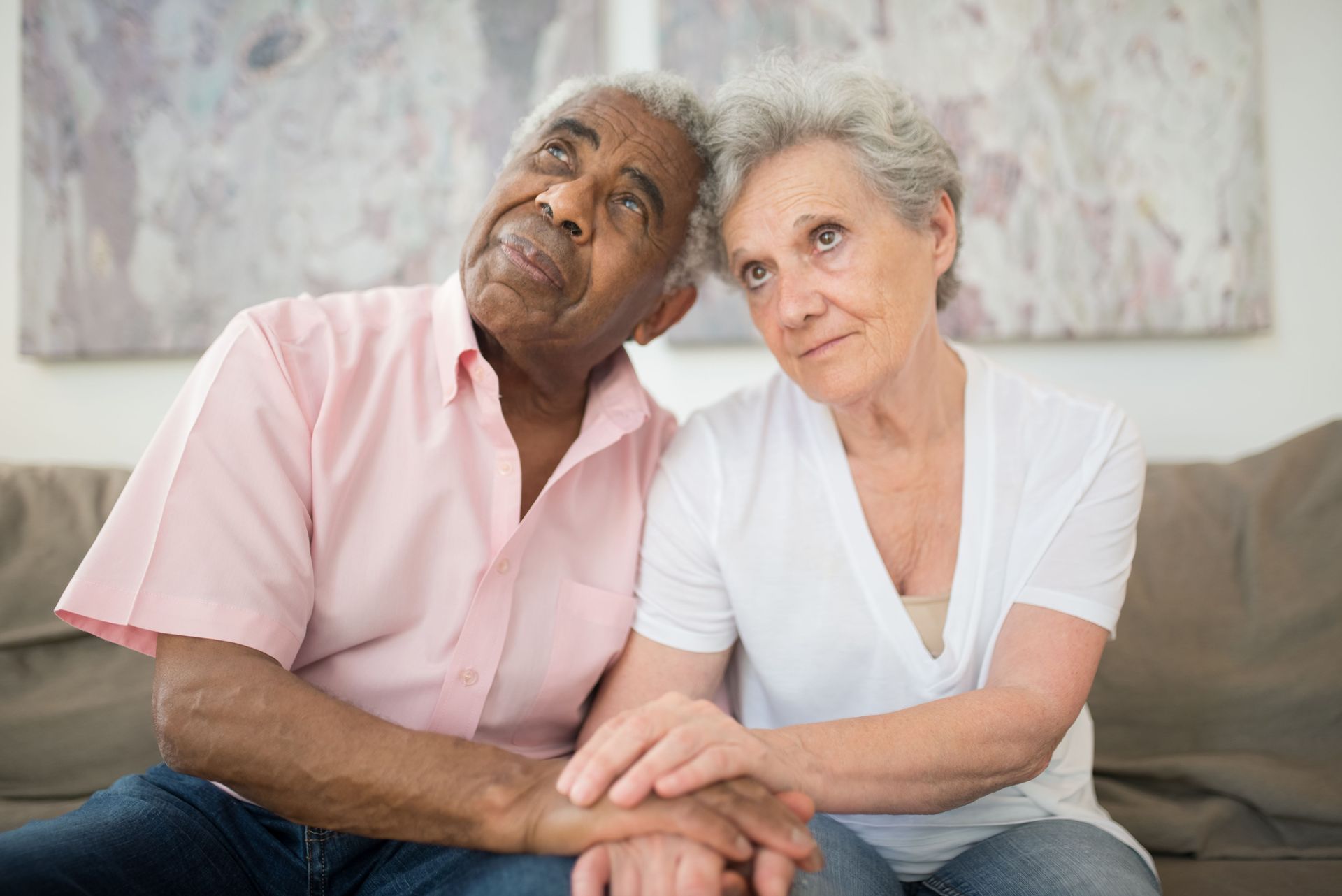
With funding from Minnesota Board on Aging, Faith Community Nurse Network is able to help faith communities and organizations become more dementia friendly.
Our Dementia Specialist and our other experienced staff can help you organize a wellness screening event, present on brain health or cognitive decline, support you in hosting Dementia Friends sessions, help you become trained in Powerful Tools for Caregivers, and even give you ideas about how you can make your programming more dementia friendly.
Our Dementia Programming is partially funded through a grant from Minnesota Board On Aging.
Join Us At An Upcoming Dementia Friends Session - All are welcome.
Join a one-hour Dementia Friends Information Session to increase your understanding of dementia and help make your community dementia friendly.
Learn five key messages about dementia, what it’s like to live with the disease and how to turn your understanding into action that supports people living with dementia.
ASL Interpreters are available for each session, please identify this as a need when you register.
Upcoming Sessions (All times are Central Standard Time)
October 1 | 11 am to Noon | Dementia Friends Information Session St Paul {J.J. Hill Community Ed Ctr, 998 Selby Ave, St Paul }
Registration opens September 9 and is available here:
https://spps.arux.app/course/18588/fall-2026-adult/dementia-friends

Upcoming Community Education Programs
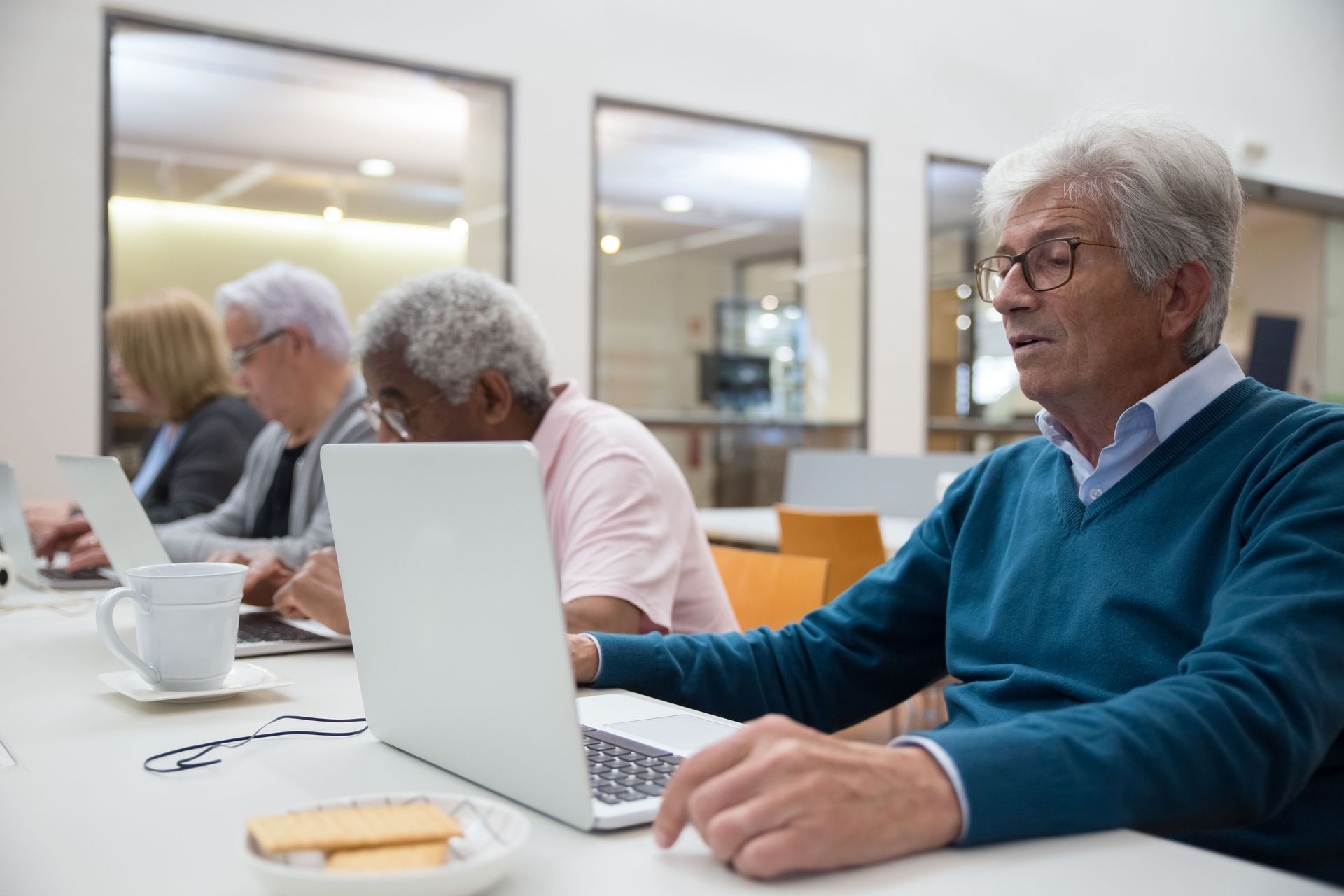
A Dementia Education Series by Carolyn Klaver
Do you have a basic understanding of dementia and would like to learn more? This four-part series may be for you. It is designed for community members - friends, family, neighbors, professionals.
(All times are Central Standard Time)
Th Sept 17 | Video Recording Available here - with ASL Interpretation
Dementia: Your Role as FCN, Community, Family, Friends
You will learn: The importance of a Dementia Diagnosis; How to support a caregiver; you will learn about different types of programming may be helpful, such as Staycations, respite care, adult day programs, assisted technology, legal and financial planning, traveling, etc. You will learn about what a gift music is to someone living with dementia and resources related to that. You will learn how to optimize your brain health and function AND why it is important to be seen for memory loss. You will also learn about reversible memory loss.
W Sept 30 | 3-5 pm |via Zoom
How to work with Dementia Care Challenges
You will learn that actions, often called behaviors, are a form of communication AND you will take a deeper look at these challenges. You will learn possible triggers for these challenging situations like emotional, environmental, medications, and lifestyle. You will learn about solutions as well as how to find solutions. Behavior changes, sundowning, repetitive behaviors, and safety tips will also be discussed.
Th Oct 29 | 3-5 pm | via Zoom
Dementia Communication Techniques
You will talk about communication being a human need and the changes in communication that you may see when communicating with someone living with dementia. You will look at communication as the disease progresses in stages and what to expect. You will learn about tools to help with communication like Life Story Form, Learn to Listen, A Positive Physical Approach, and Hand Under Hand.
Th Nov 12 | 3-5 pm | via Zoom
Metro Wide (some MN state) Dementia Resources
This session will examine what kind of resources are out there and specific organizations in the Twin Cities that provide these services.
Spirituality & Dementia
November 9, 2026 from 1-3 PM CT / 2-4 ET via Zoom
Attendees will learn from experts in spiritualty and dementia regarding their work and research (theological practice and lived experience) with people living with dementia in a neuropalliative setting and their caregivers. The first hour will focus on presenting to caregivers with Faith Community Nurses also in attendance. The second hour will focus on education for the Faith Community Nurses. 2 Continuing Education Units will be possible for nurses.
Objectives: Individuals will be able to do the following after attending...
- Cite common spiritual and/or religious needs and concerns for people living with dementia and their care partners.
- Give examples of activities or rituals that have helped people living with dementia and their care partners feel connected or at peace.
- List common spiritual frustrations for people living with dementia and their care partners.
- Learn research findings related to spirituality and those living with dementia, as well as the gaps that exist in research and practice.
- Identify spiritual or religious needs in people living with severe dementia when they cannot express their needs verbally and list what non-verbal or embodied forms of spiritual care are most meaningful.
- Describe how to integrate spiritual care into daily routines and general nursing or caregiving care.
- Summarize strategies used to build trust and rapport with individuals living with dementia who have significant cognitive decline.
- Discuss the role of "belonging" plays in chaplaincy work, and how faith community nurses can foster belonging.
- Plan how to support people living with dementia in finding meaning in their remaining life experiences.
- Assess the impact of spiritual care for people living with dementia based on the most meaningful indicators or outcomes.
- Understand and apply ways nurses can better recognize and respond to spiritual care in dementia care.
- Relate how chaplaincy and faith community nurses can work more closely together to address the holistic needs of people living with dementia.
Presenters:
Rev. Judy Long is an ordained minister and Board-Certified Chaplain. She served as outpatient chaplain in grant-funded neuropalliative care clinics for people living with advanced Parkinson's Disease and Related Disorders (PDRD) as well as with Alzheimer's Disease (AD). She developed and teaches a course in sustainable caregiving (emotional resilience) for caregivers of those living with neurologic illnesses and other serious illnesses. She also adapted it and taught it as resilience for patients including for those with neurologic illnesses and dementias. MERI Center for Education in Palliative Care, UCSF Division of Palliative Medicine. On a personal note, she is also the caregiver for her husband who lives with Alzheimer's disease.
Rev. Kelly Spahr is an ordained minister and a Board-Certified Chaplain, serving in the Rochester, N.Y. Area since 2012. She is an outpatient chaplain at the University of Rochester Medical Center Neuropalliative and ALS Clinics, and a co-facilitator in the Palliative Ketamine Assisted Psychotherapy clinic. She also serves on the Crossroads of Caring Clinical Pastoral Education Professional Advisory Board, and on the URMC Ethics Committee.
Both have worked with Dr. Benzi Kluger, Professor of Neurology and Medicine, founding director of the Palliative Care Research center and Neuropalliative Care Service at the University of Rochester Medical Center in New York.